
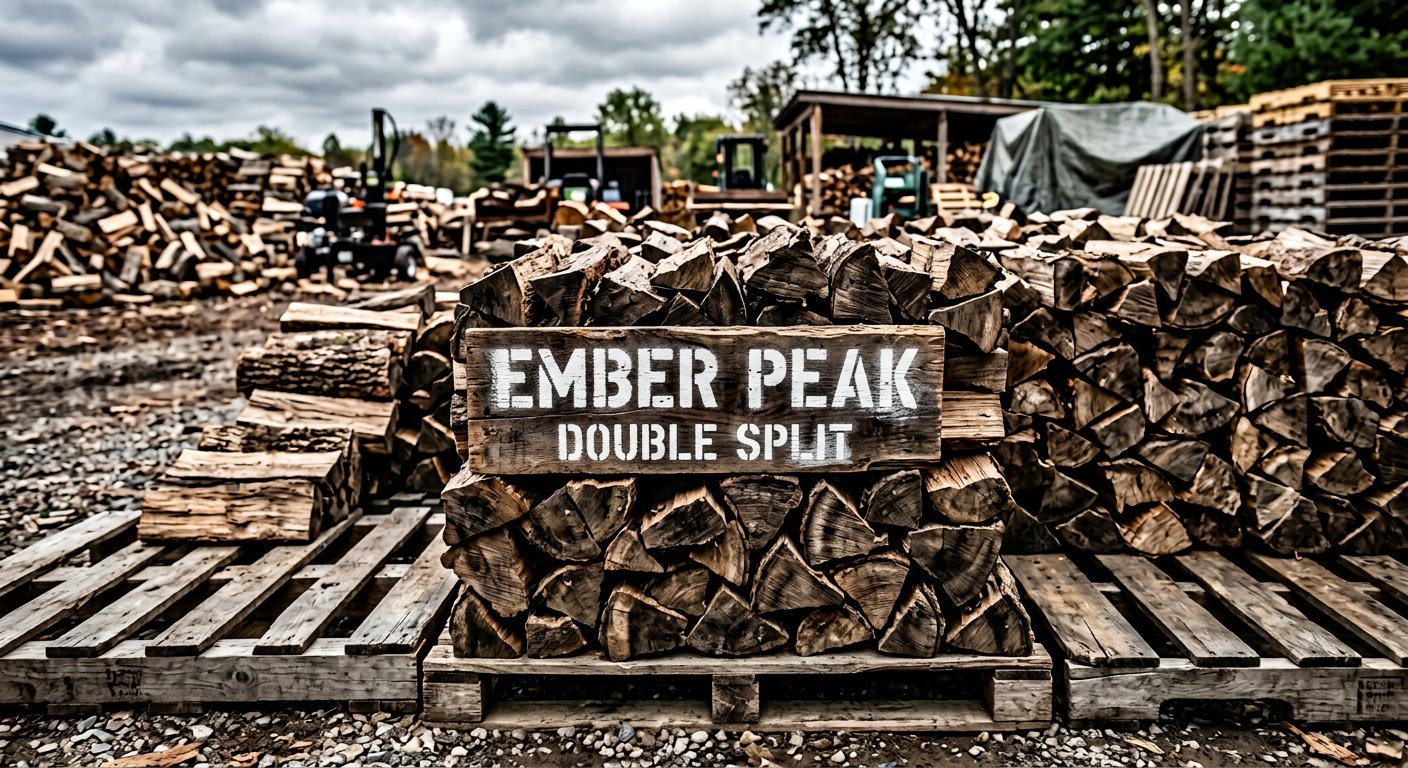
There’s a reason pizzerias ask for double split by name. When hardwood is split a second time, each piece becomes smaller and lighter with proportionally more surface area — and surface area is what catches fire. The result: wood that lights fast, builds heat quickly and gives you precise control over the fire. Same fuel, better behaviour.
Why Smaller Pieces Win
Fire is a surface phenomenon. A thin split exposes far more wood fibre to flame than a chunky block, so it ignites readily over a modest kindling base. Smaller pieces also respond faster to airflow changes — you can dial a pizza-oven fire up or down in minutes instead of fighting big logs that commit you to their pace.
The Pizza Oven Case
Wood-fired ovens want a specific fire lifecycle: fast flame-up to heat the dome, then steady coals for cooking. Double split suits it perfectly — the pieces reach temperature quickly, flame-roll cleanly across the dome, and settle into an even coal bed. A double split ironbark fire built over natural firelighters reaches pizza-ready in well under an hour, with none of the smoky struggle oversized logs create.
Who Else Benefits
- Compact stoves and small fireboxes — full-size logs that simply don’t fit
- Beginners — forgiving wood that builds confidence with every light
- Fire pits — quick, responsive outdoor fires
- Cooking fires — fine control over heat, exactly when it matters
Density Still Matters
Double split describes the cut, not the species — double split softwood is still softwood. Ours is cut from the same premium seasoned ironbark as our full loads: dense, below-20% moisture, honest weight. New to wood-fired cooking? Our FAQs and guides cover technique, and the full range is at firewood.