
Smoking is flavour engineering: the wood you choose becomes the seasoning that defines the plate. Get the pairing right and brisket tastes like Texas; get it wrong and chicken tastes like a forest fire. Here’s the logic pitmasters actually use.
The Strength Spectrum
Smoking woods run from delicate to assertive, and the rule is simple: match smoke strength to protein intensity.
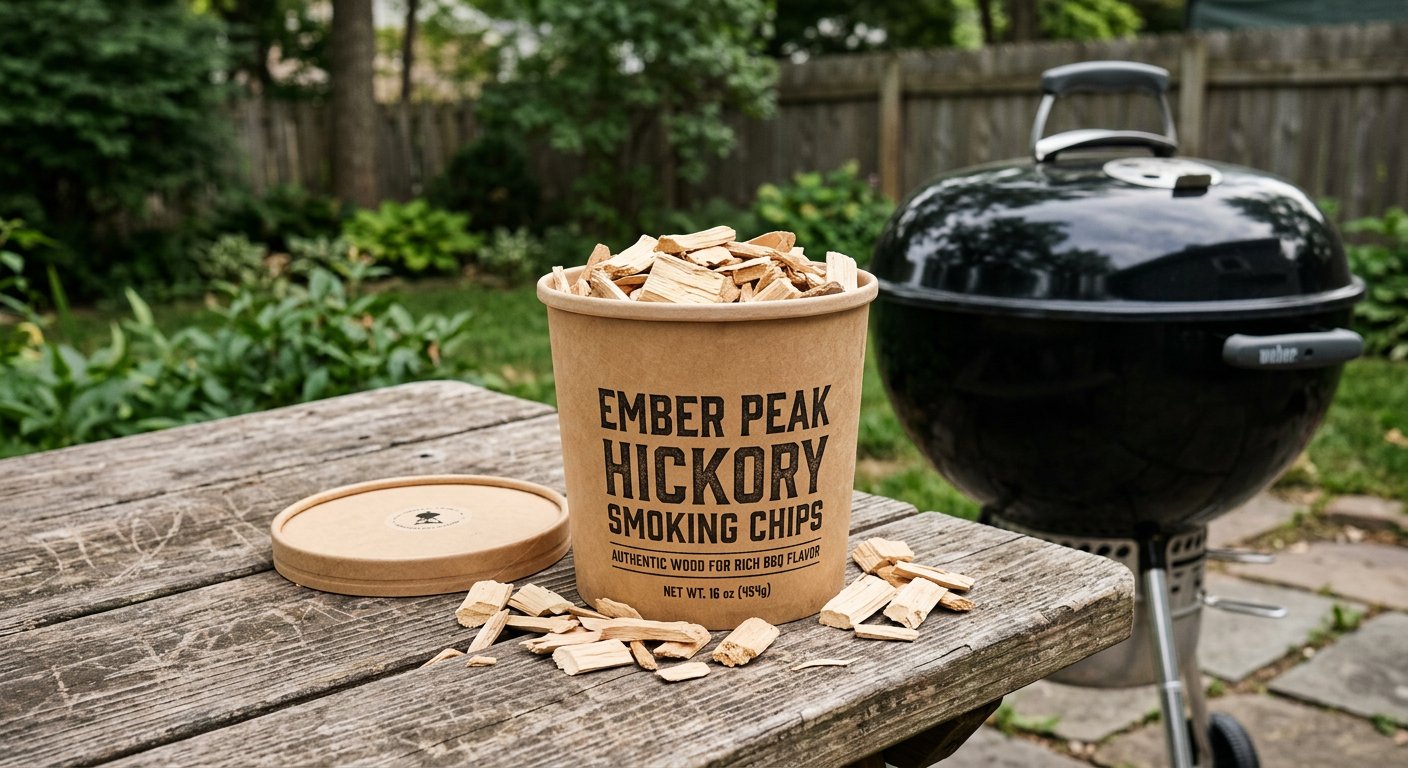
- Strong (hickory, mesquite): pork ribs, brisket, bacon, game — the bold classics. Our hickory smoking chips are the benchmark: sweet, strong, bacon-like.
- Medium (oak, our beef & lamb blend): red meats that need depth without domination — beef & lamb blend builds bark and colour.
- Mild (fruitwoods, our poultry & pork blend): chicken, turkey, pork loin — gentle, sweet, golden — poultry & pork blend.
Chips vs Chunks vs Logs
Chips catch fast and deliver quick smoke — ideal for shorter cooks, gas-grill smoking and kettle BBQs. Chunks smoulder longer for multi-hour briskets. Logs and splits fuel offset smokers the pitmaster way — our double split ironbark builds a superb coal base. Most backyard cooks run chips over a lump charcoal bed and want for nothing.
The Heat Beneath the Smoke
Smoke flavour happens at low-and-steady temperatures — 100–135°C — which means your charcoal bed matters as much as your wood. Even-burning hardwood briquettes hold temperature for hours; see charcoal vs wood for the full trade-offs. Technique side: how to use smoking chips covers soaking, foil pouches and timing.
Three Pairings to Try First
- Pork ribs + hickory — the classic for a reason
- Whole chicken + poultry blend — juicy, golden, gently smoked
- Brisket + beef & lamb blend over charcoal — weekend legend status
The full arsenal: BBQ & smoking wood. More live-fire cooking in our guides.