
Every fire pit conversation eventually lands here: cast iron or steel? Both make excellent pits; they just optimize for different evenings. Here’s the decision in one page.
Cast Iron: The Heat Bank
Cast iron’s mass is its magic. It absorbs heat while the fire roars and radiates it back for hours after flames settle — the pit that keeps the circle warm late into the night. It’s also immensely stable and wears a timeless look. Trade-offs: serious weight (a two-person reposition at best) and a need for basic care — keep it drained and dry off-season. Our 120cm XL and 59cm are the flagships.
Steel: The All-Rounder
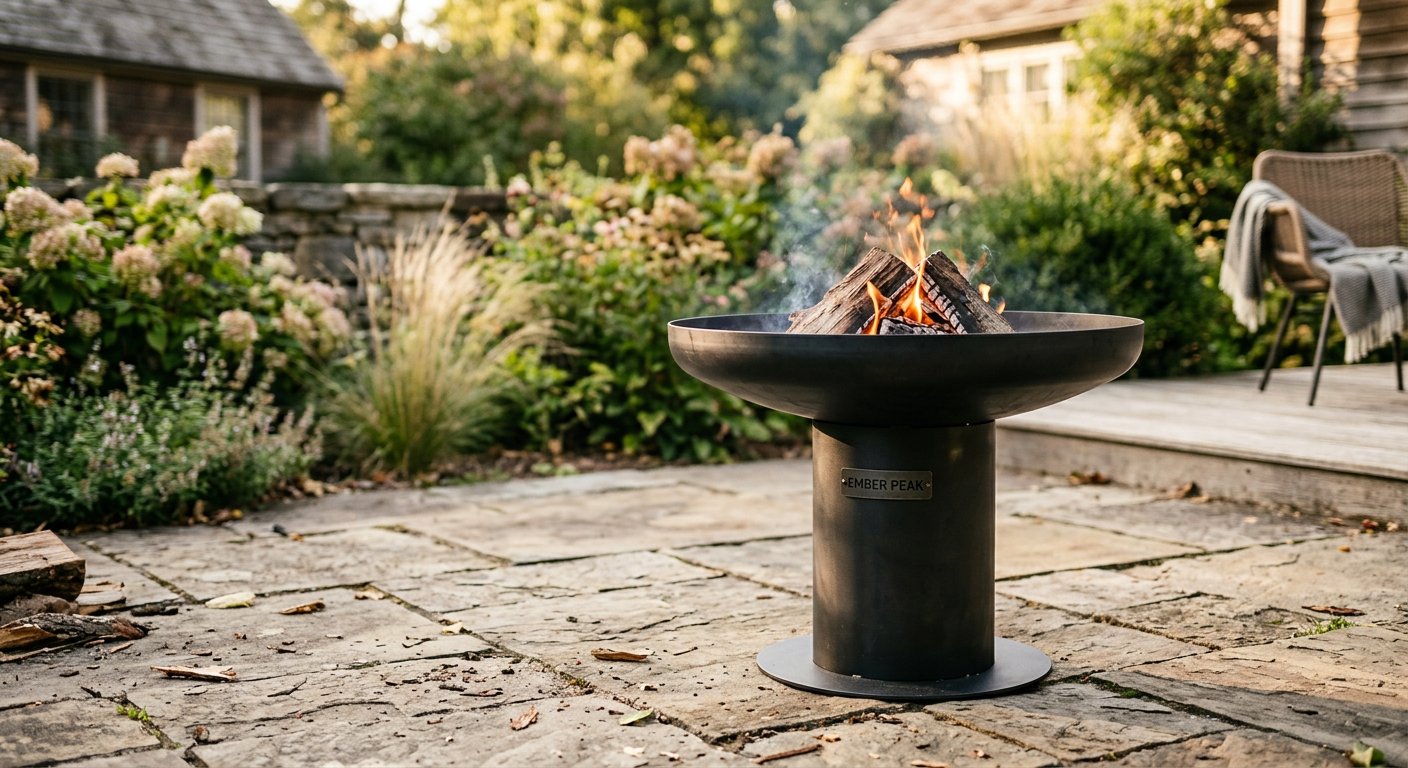
Steel pits heat up in minutes rather than tens of minutes, weigh far less, and cost meaningfully less at every size. Modern powder-coated steel (like our 58cm three-legger and Granito range) shrugs off seasons outdoors; corten steel goes further, turning weather itself into the finish (Windermere rust). Trade-off: less residual warmth once the fire drops.
Head to Head
| Cast Iron | Steel | |
|---|---|---|
| Heat-up time | Slower | Fast |
| Heat after flames die | Excellent | Modest |
| Weight | Heavy | Light–moderate |
| Price | Higher | Lower |
| Maintenance | Drain & dry | Minimal (corten: none) |
So, Which?
Long sit-down evenings, permanent position, maximum warmth: cast iron. Faster fires, tighter budgets, flexibility, modern looks: steel. Cooking? Steel’s responsiveness suits griddles — see the Teppanyaki — while cast iron’s coals are campfire cooking gold. Either way: size it to your seating (the full choosing guide), protect decks with a mat, and feed it seasoned fire pit wood. The whole menu: fire pits.